
Production lines
Connect individual operations into a continuous flow. Align throughput, product transfer between machines and the scope of automation.
Explore directionFrom a single machine to an entire facility. We develop the supply scope, coordinate manufacturers and organise equipment delivery to your site.
From a single machine to an industrial complex
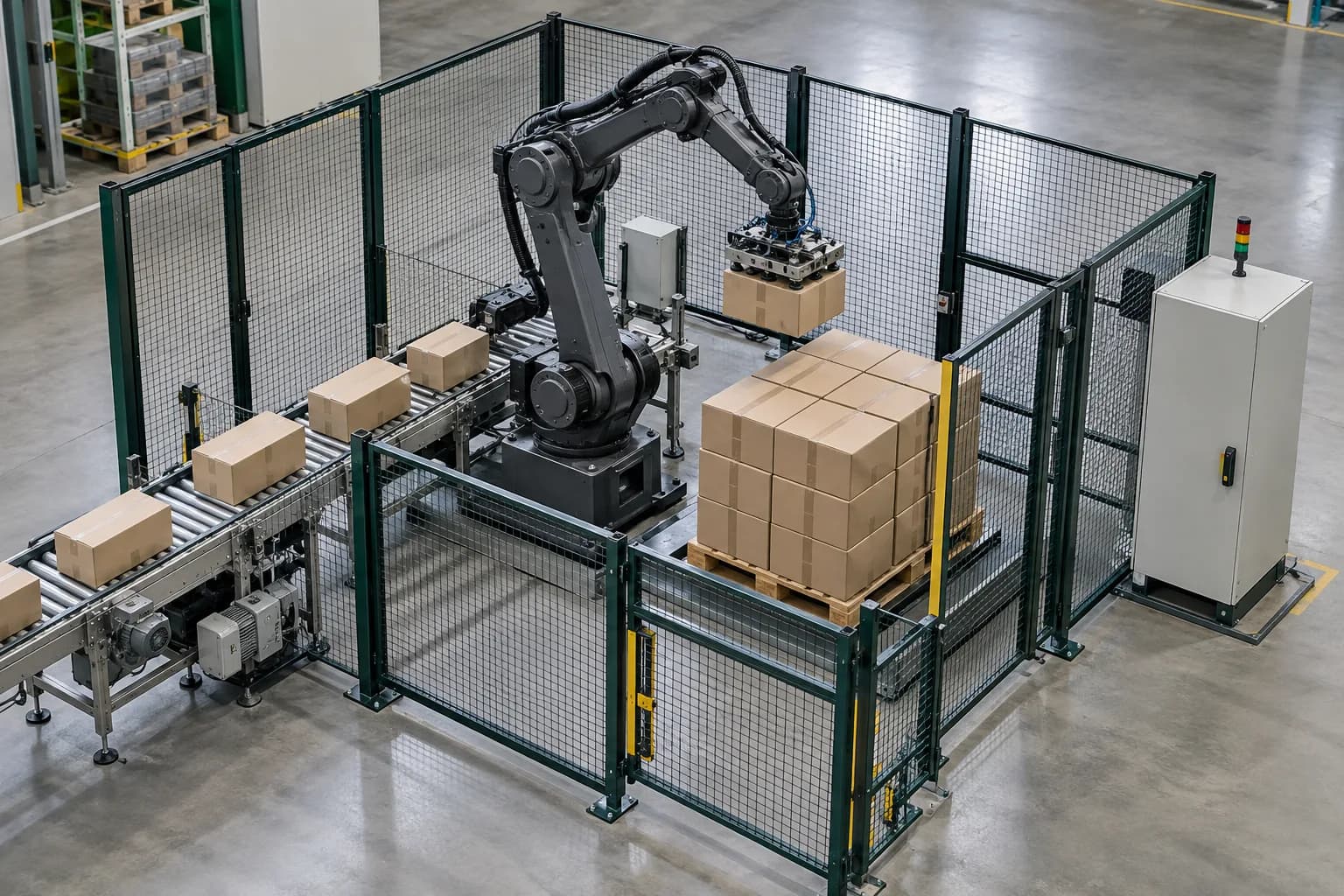 Industrial automation
A single operation, a connected line or several production areas? Select a level to see what needs to be agreed and what the supply plan covers.
For producing a product at the required capacity. Connect the process sequence and align equipment from different manufacturers.
A new product, additional capacity or a new facility. Each project brings its own equipment requirements and delivery considerations.
Connect individual operations into a continuous flow. Align throughput, product transfer between machines and the scope of automation.
Explore direction
Bring primary and auxiliary equipment from different manufacturers together. Align delivery lots with building and utility readiness.
Explore direction
Start with the feedstock properties and finished-product requirements. Define preparation, processing, sorting and packing operations.
Explore direction
Plan the supply of oversized machines and assemblies. Consider weight, dismantling, packing and unloading before choosing a transport route.
Explore directionConnect the technical brief, commercial terms and delivery. Before moving forward, establish what is agreed and which questions still need an answer.
Clarify the product, throughput, operating pattern and site constraints. If there is no technical brief yet, we develop the starting requirements together.
Compare manufacturer proposals on a common basis. Review completeness, interfaces, documentation and acceptance conditions.
Connect factory readiness, payment stages, packing and shipment. Align delivery with the receiving site's capabilities.
An agreed plan helps you compare options, define a budget and prepare the site. Its scope depends on your project's scale and current stage.
Yes. Describe the operation or product you need, approximate capacity and site constraints. Separate mandatory requirements from unknown parameters. Models and configurations can be discussed once the requirement is clearer; manufacturers and relevant specialists confirm technical solutions.
Send the current offers and specifications, together with any unclear points. Price alone is not enough for comparison: scope, auxiliary systems, documentation, packing and handover terms also need a common basis. Differences in the proposed scope should be identified before selection.
You can state a budget and target date in the first conversation. Concrete terms follow the scope definition, manufacturer inputs and delivery requirements. Distinguish factory readiness, shipment and arrival at the site: these are separate project events.
Start with an idea, a technical brief or existing supplier proposals. We will help identify the information needed for your next decision.
Discuss the project